WAJIMA SCHOOL
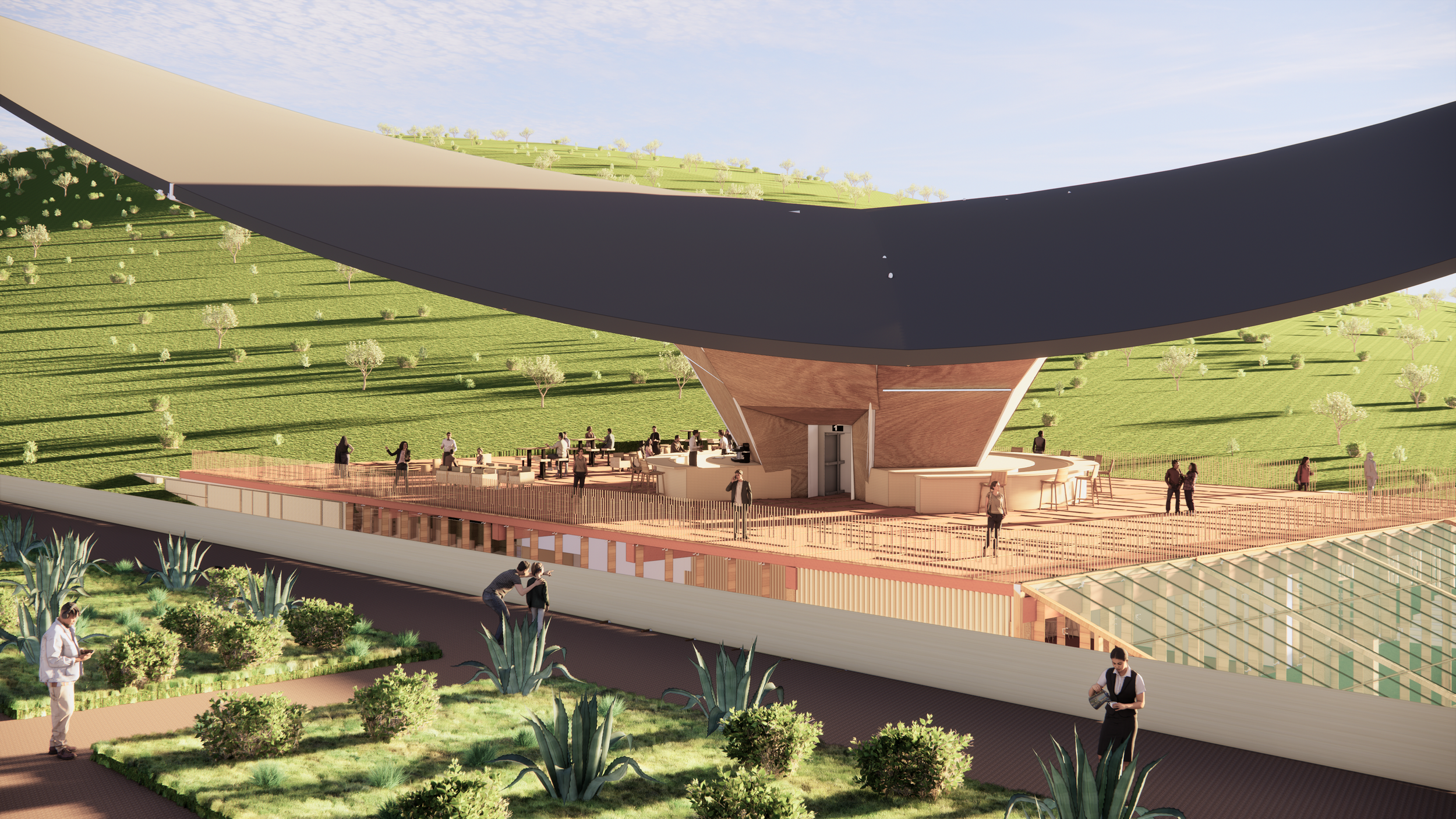
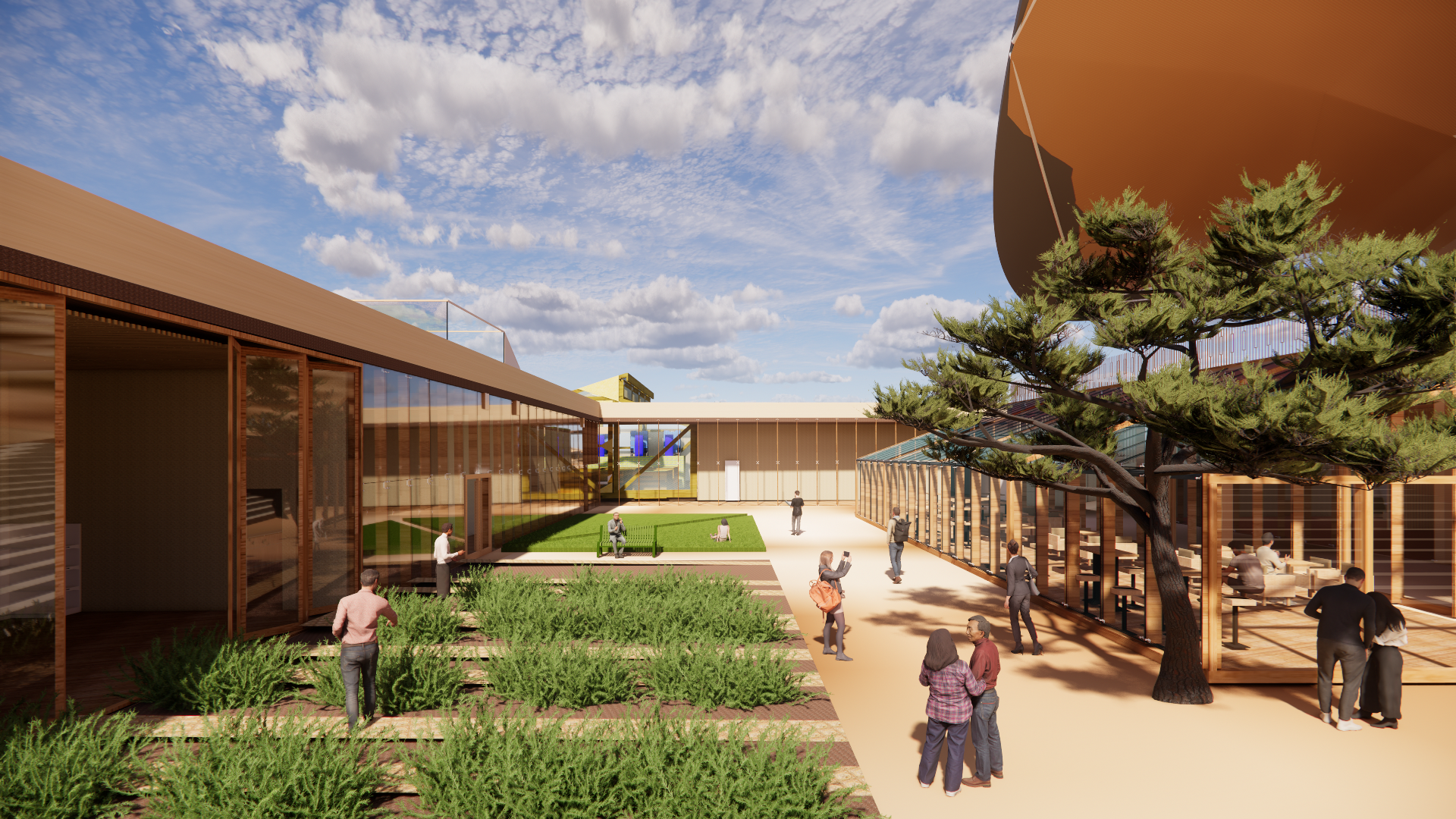
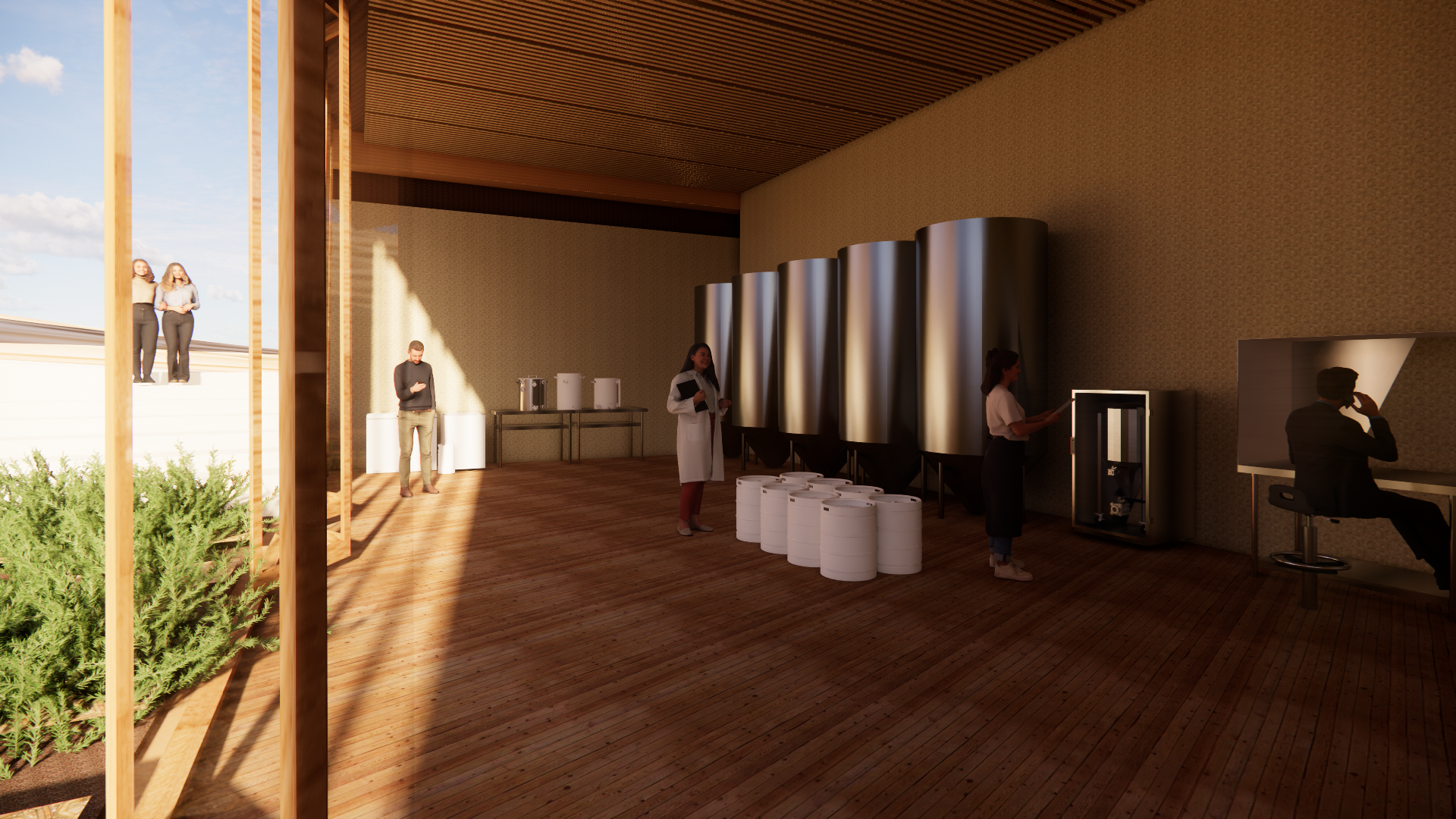
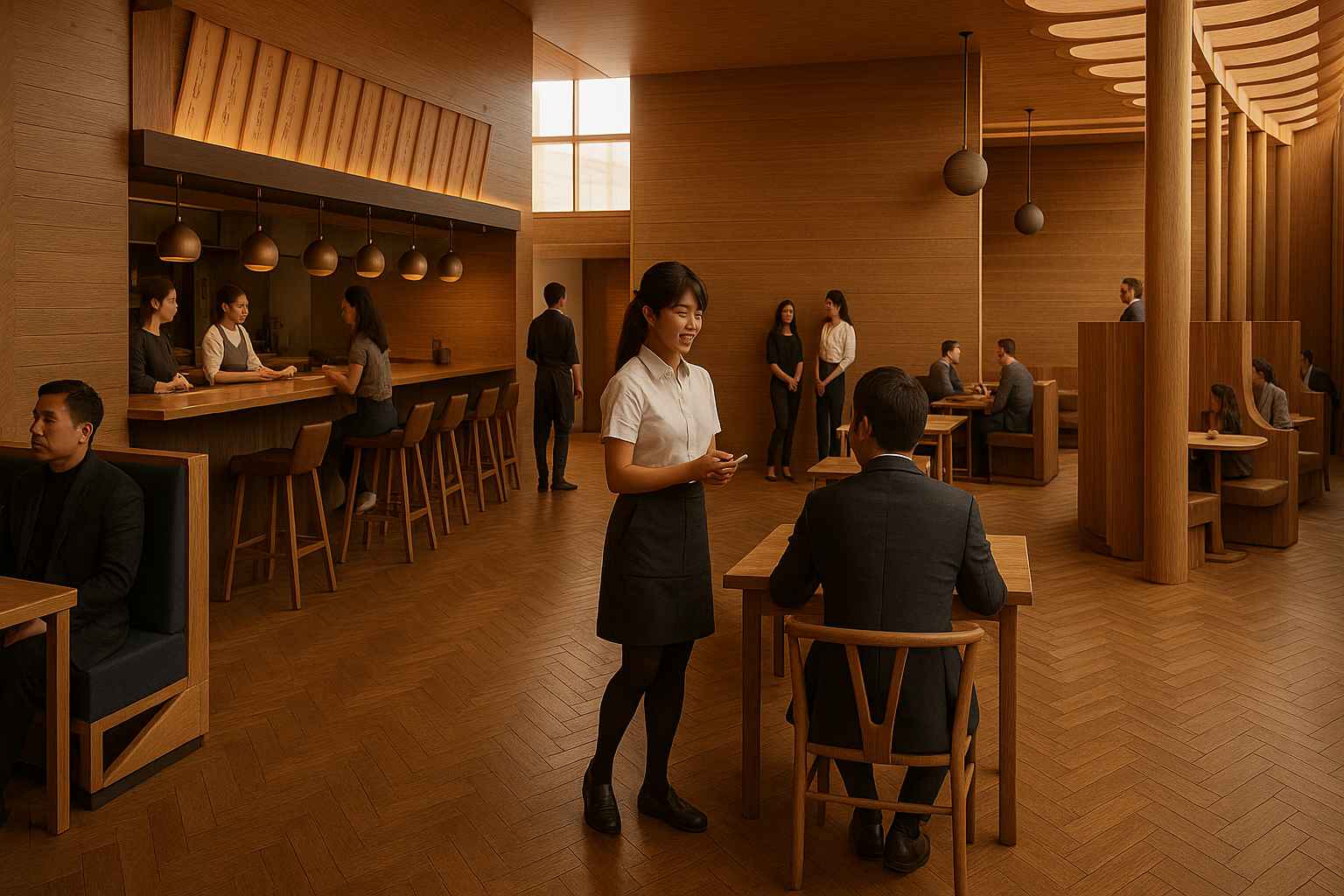
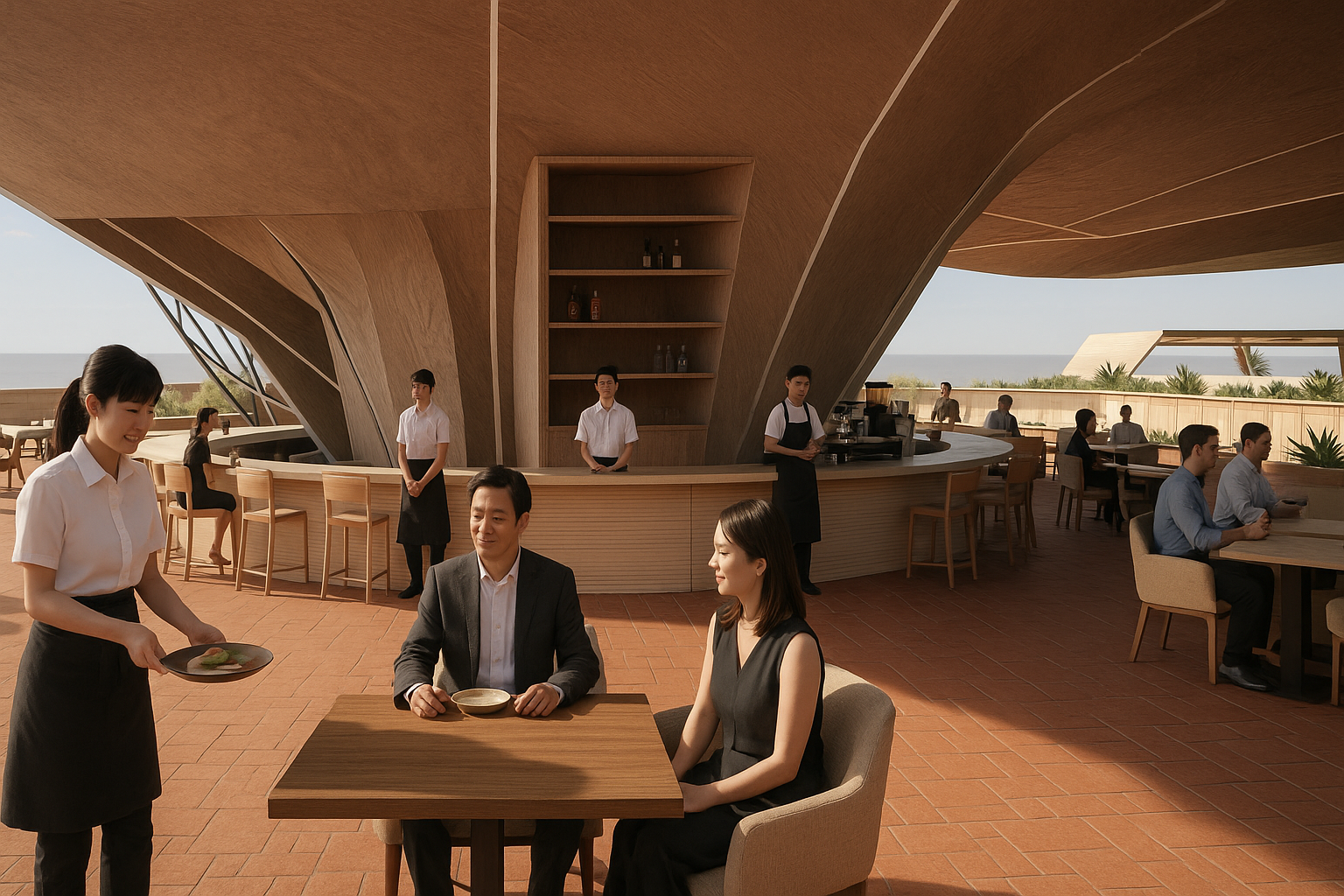
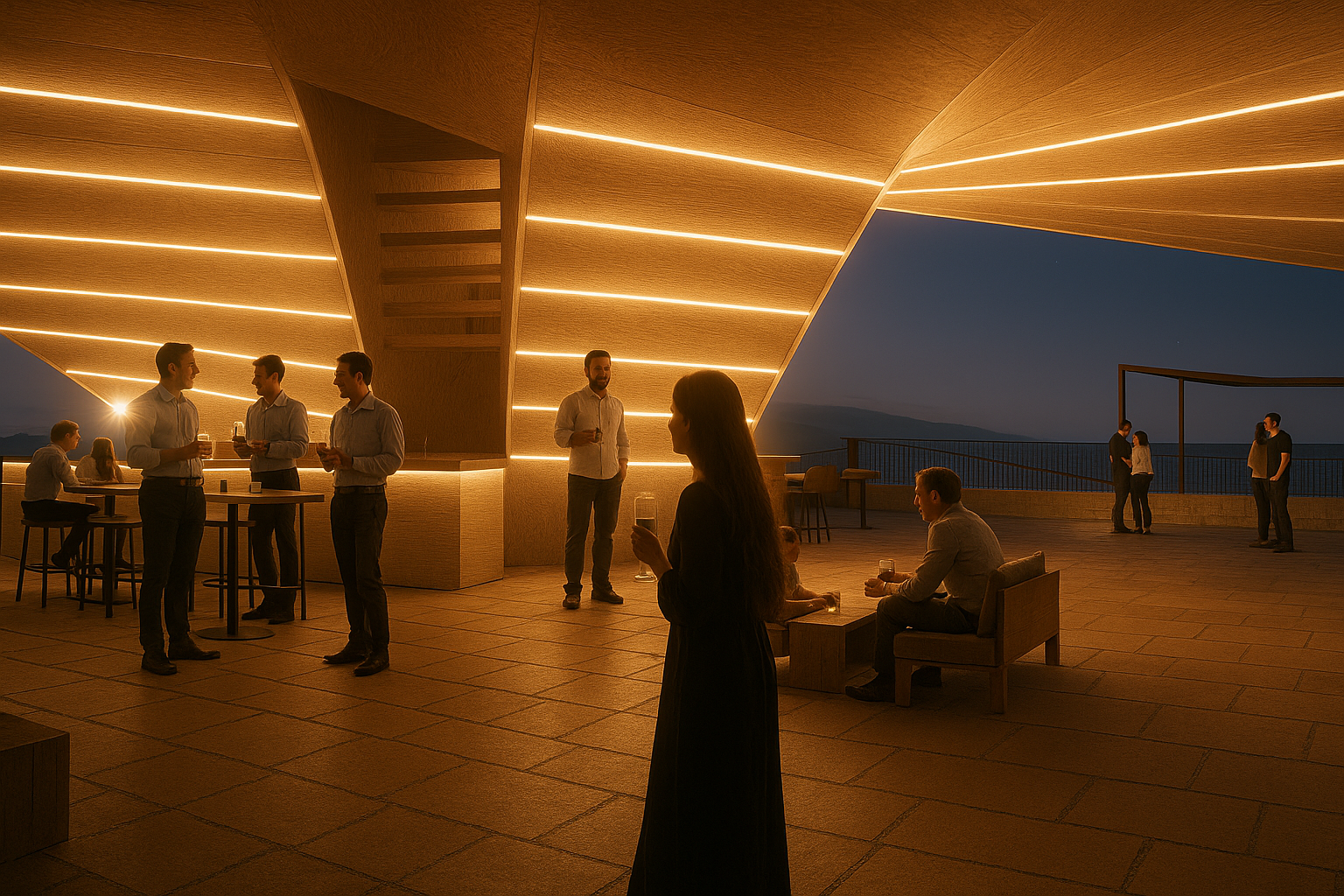
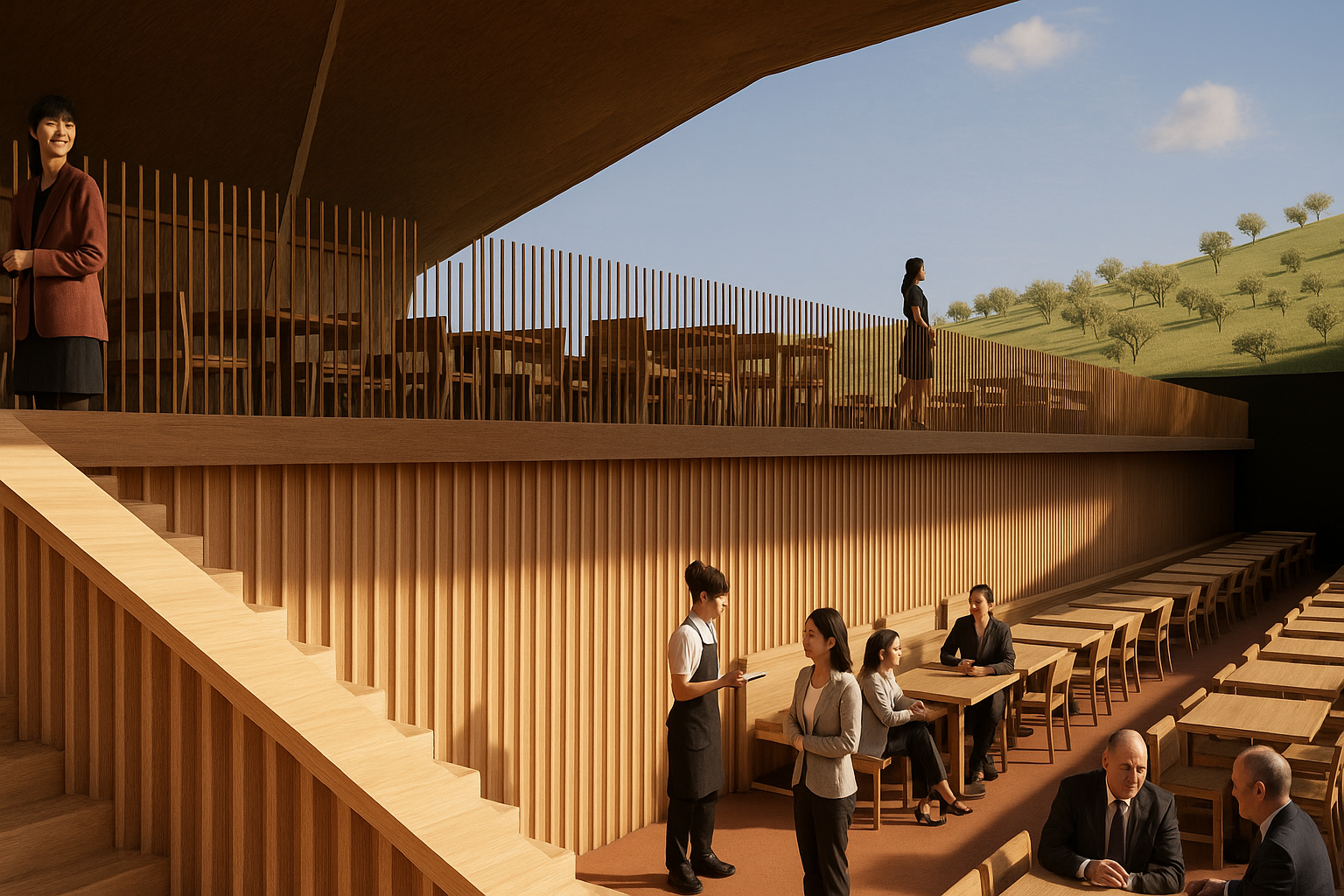
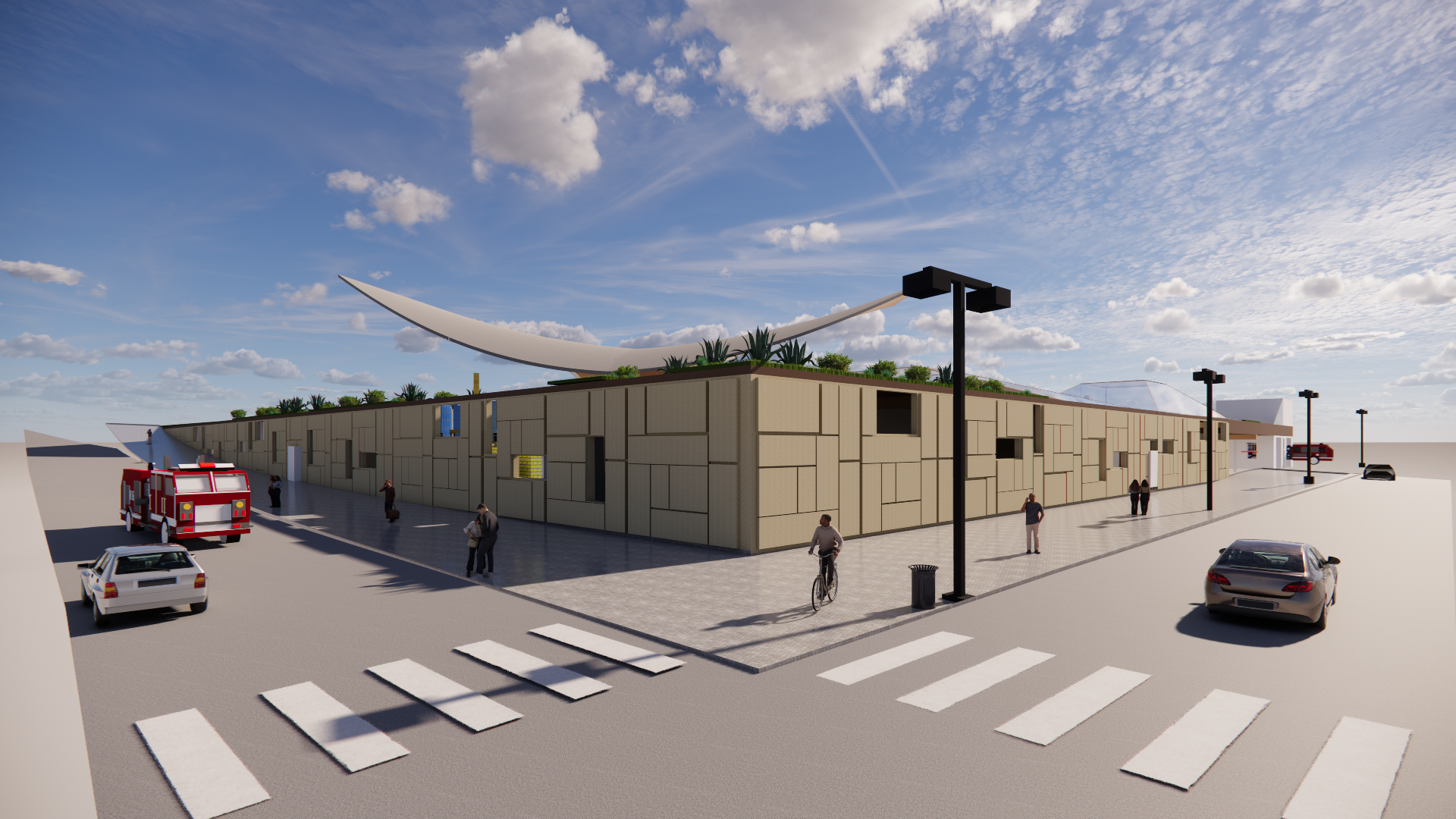
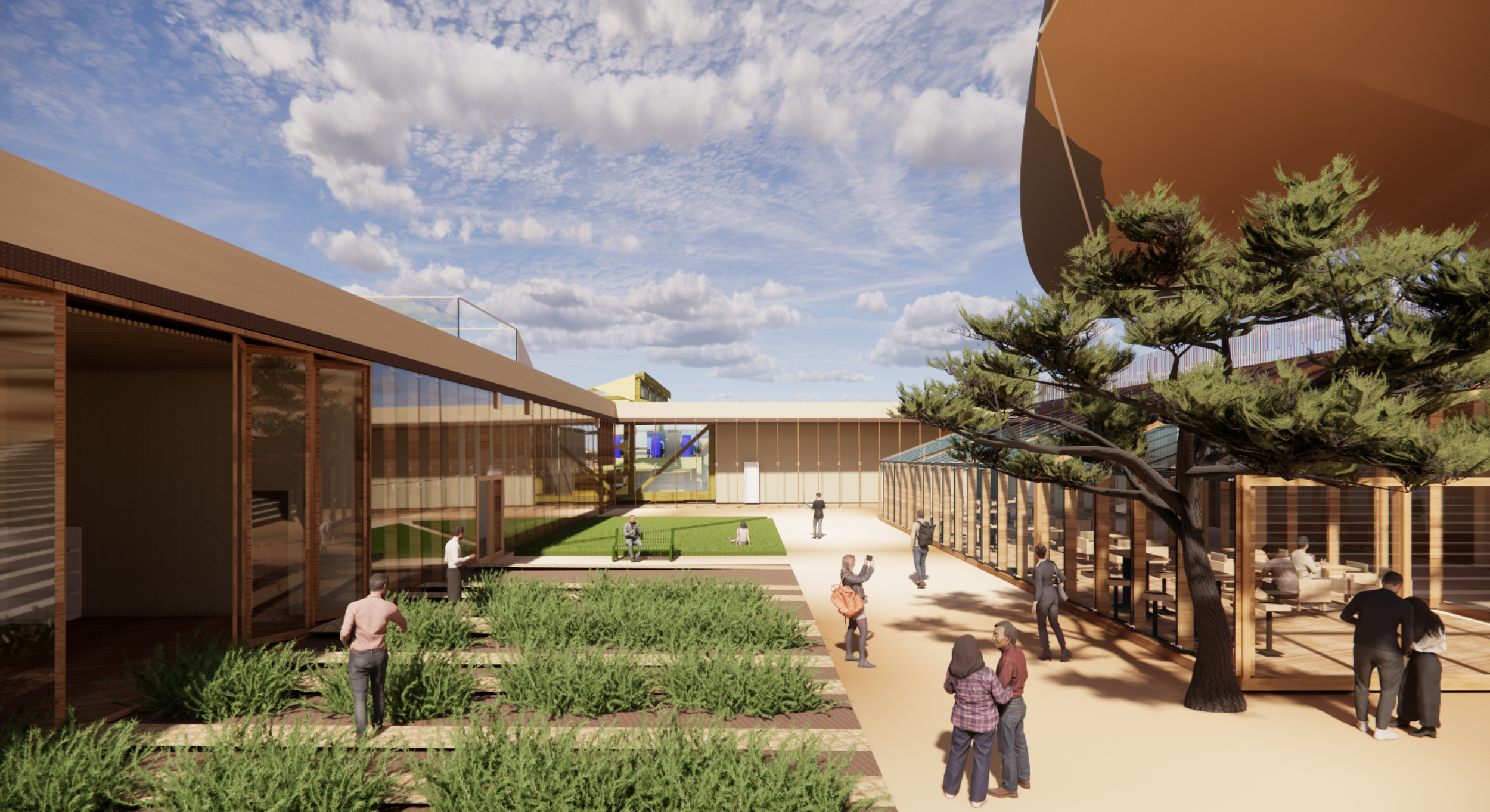
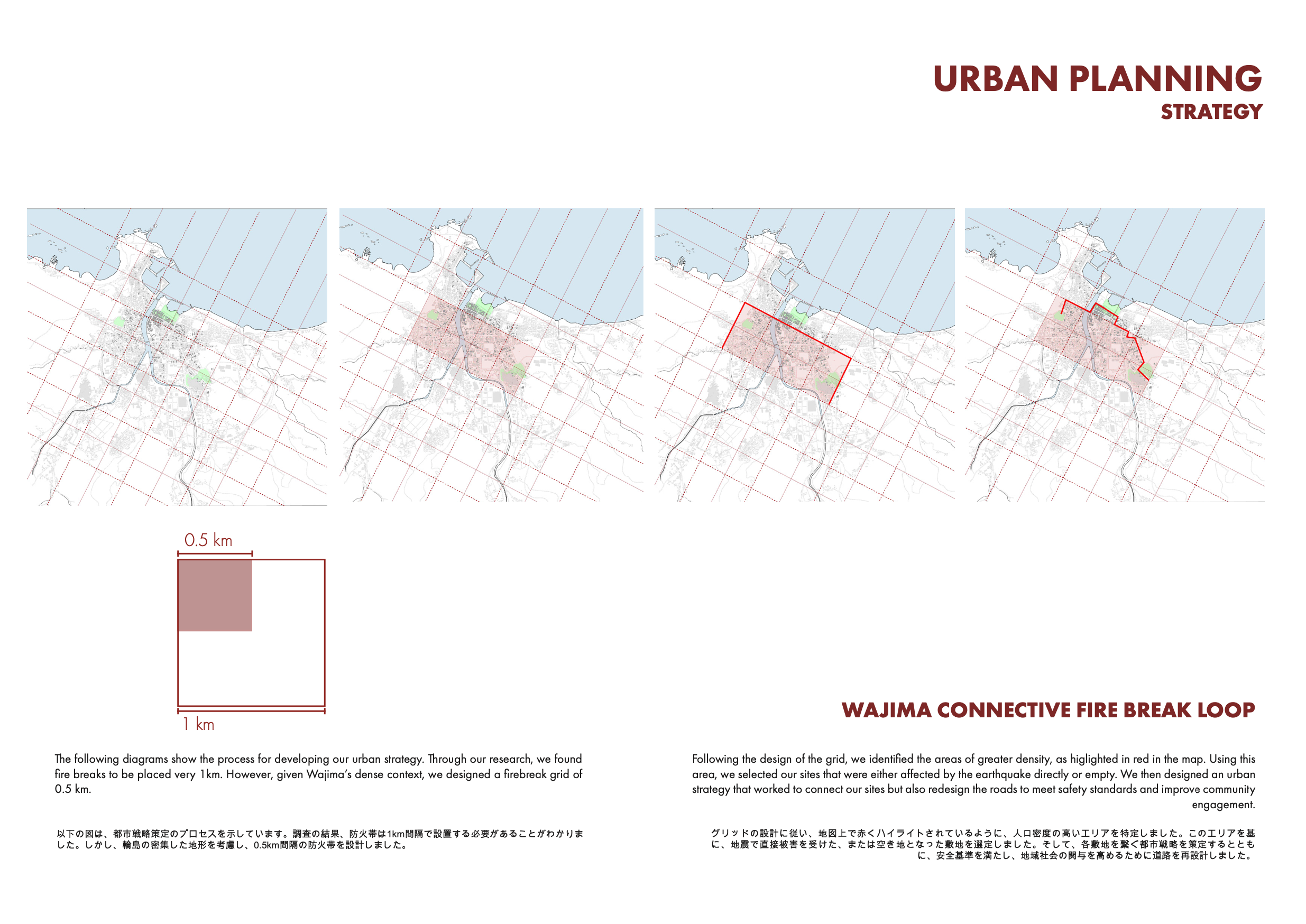
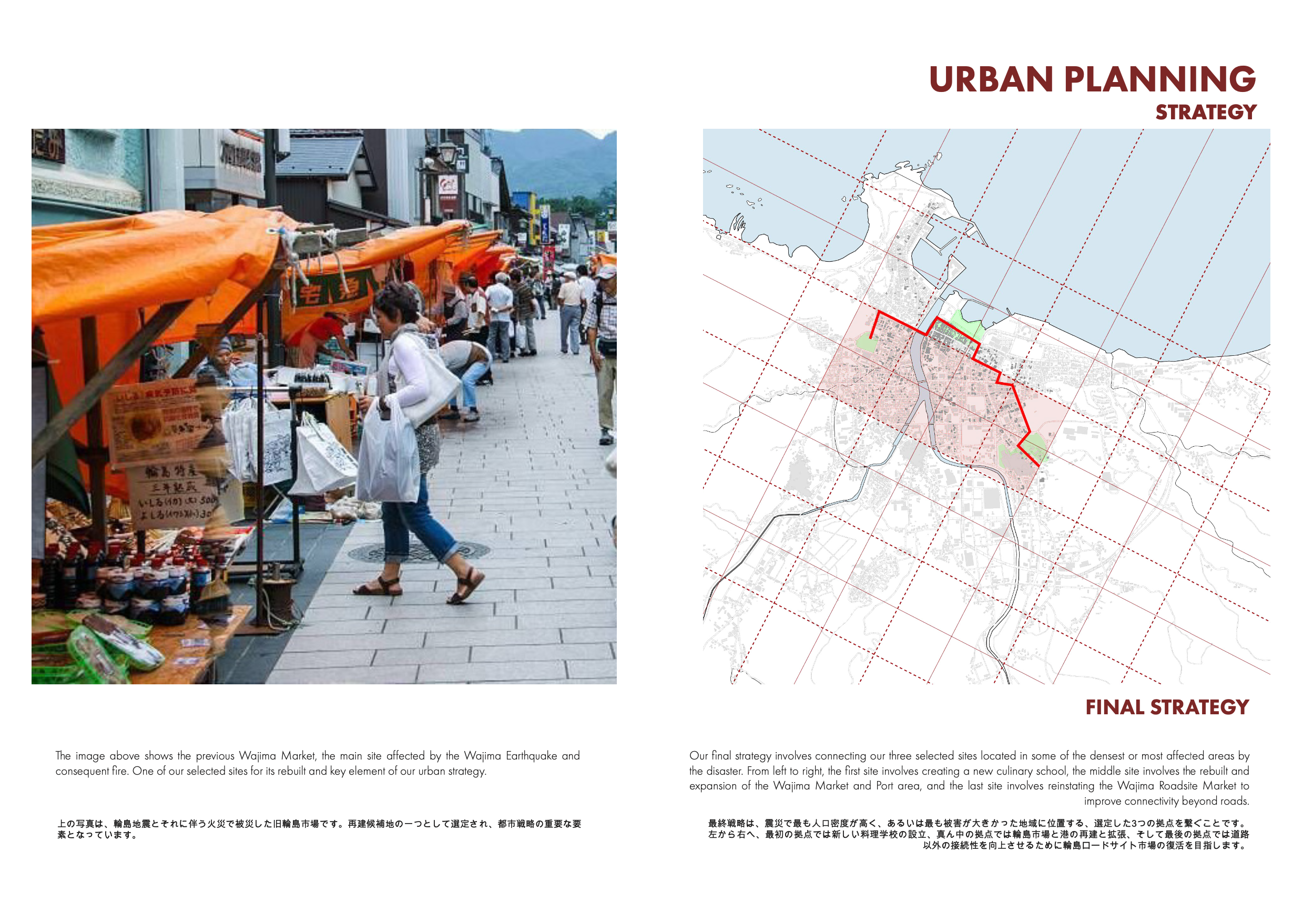
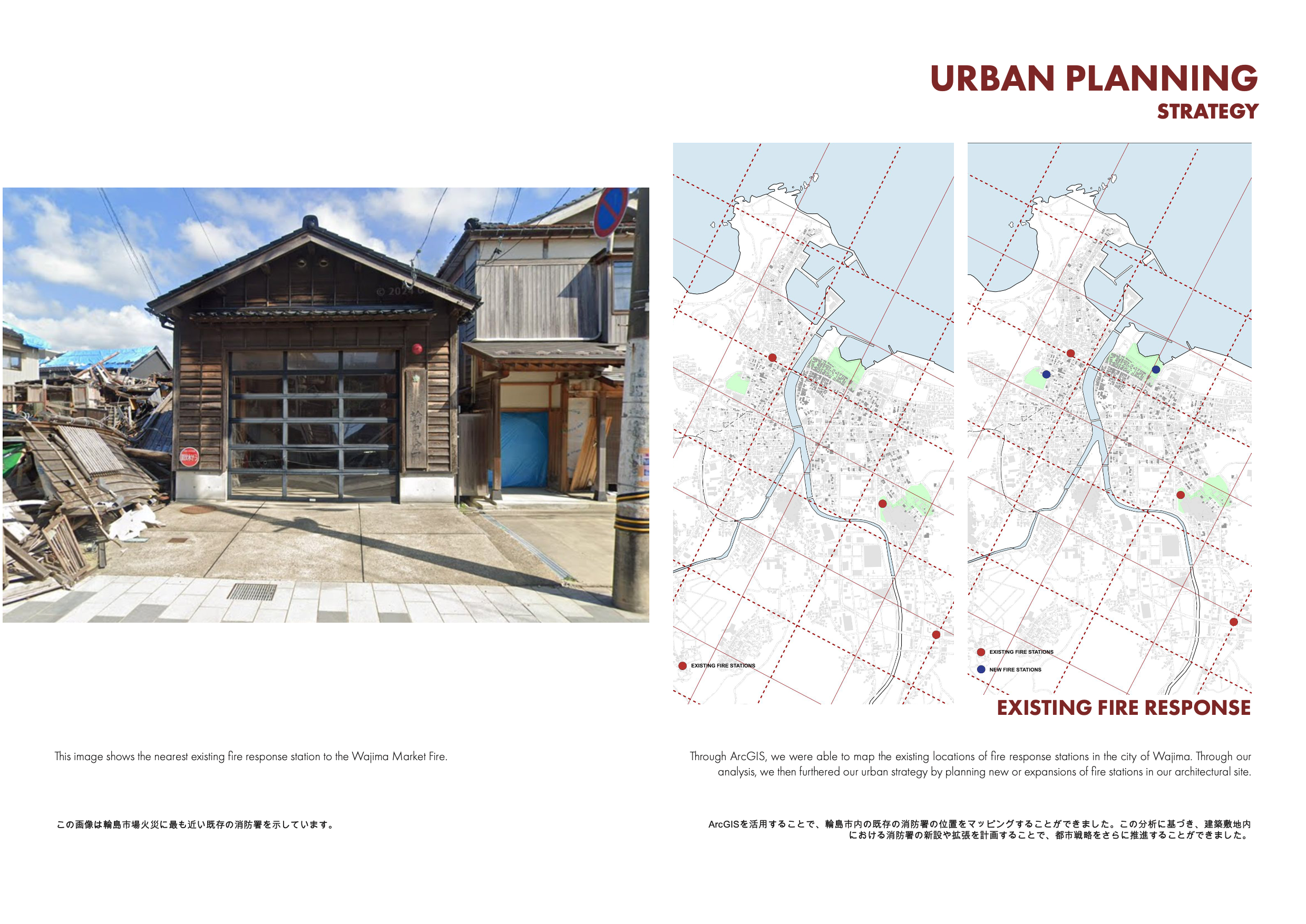
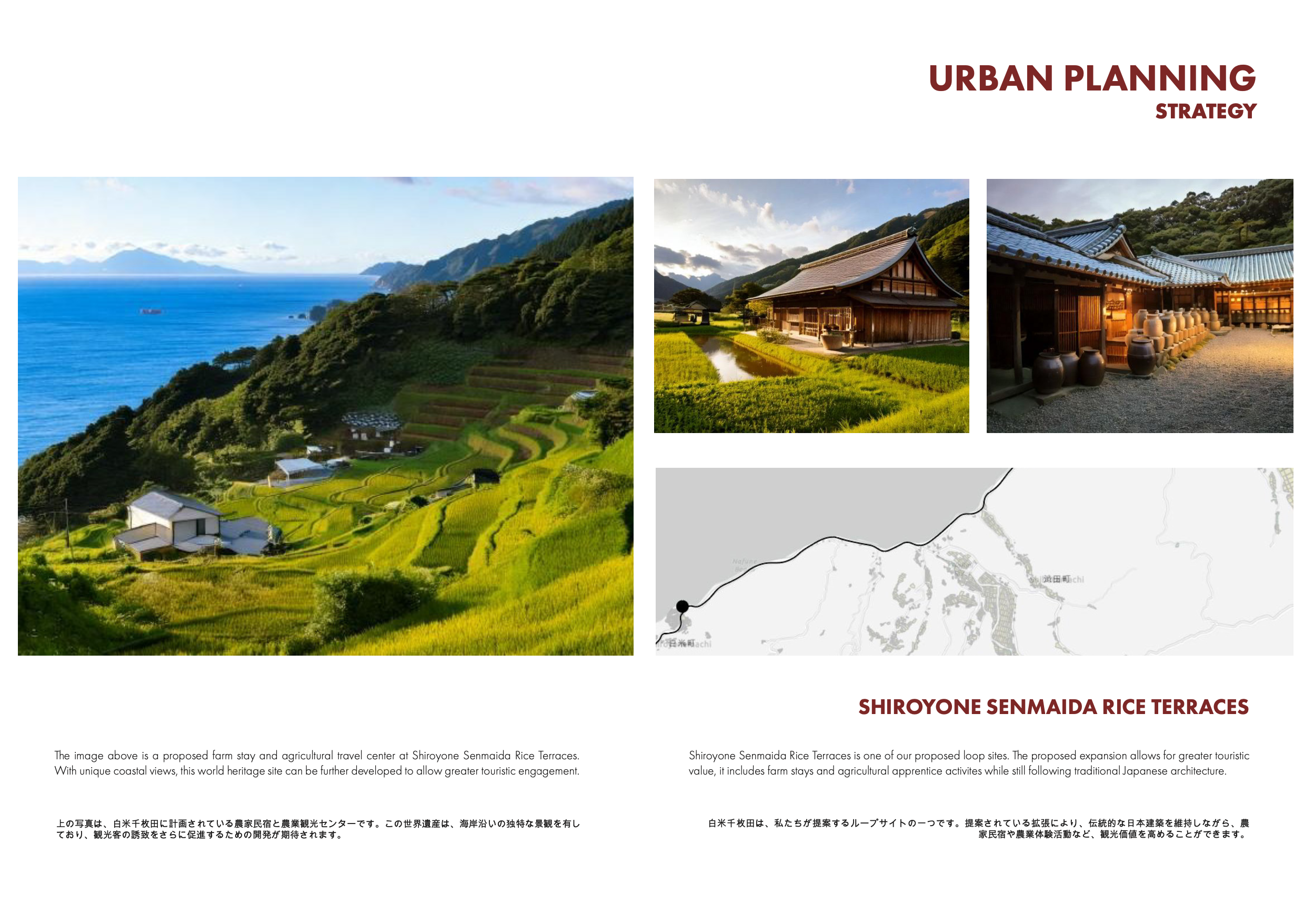
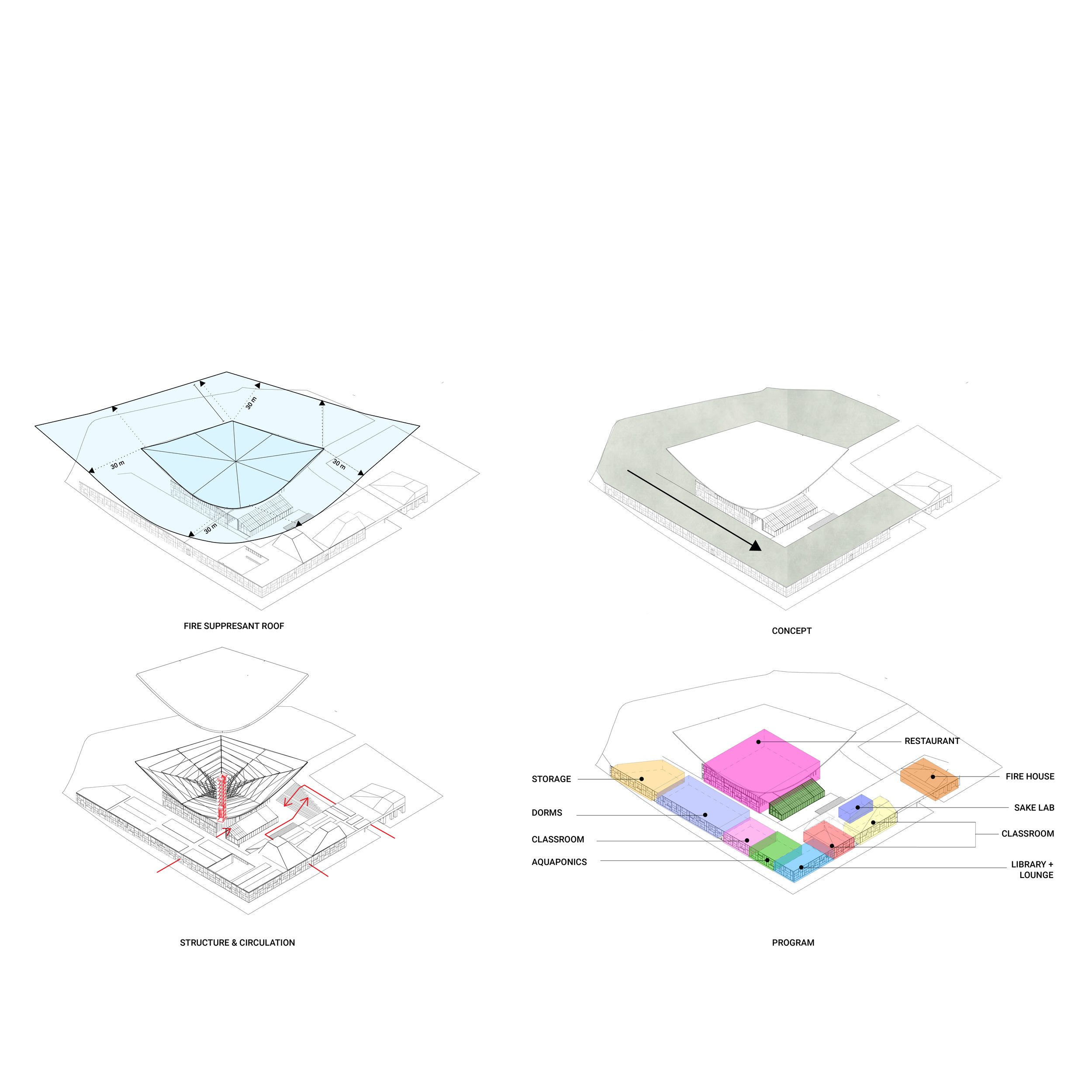
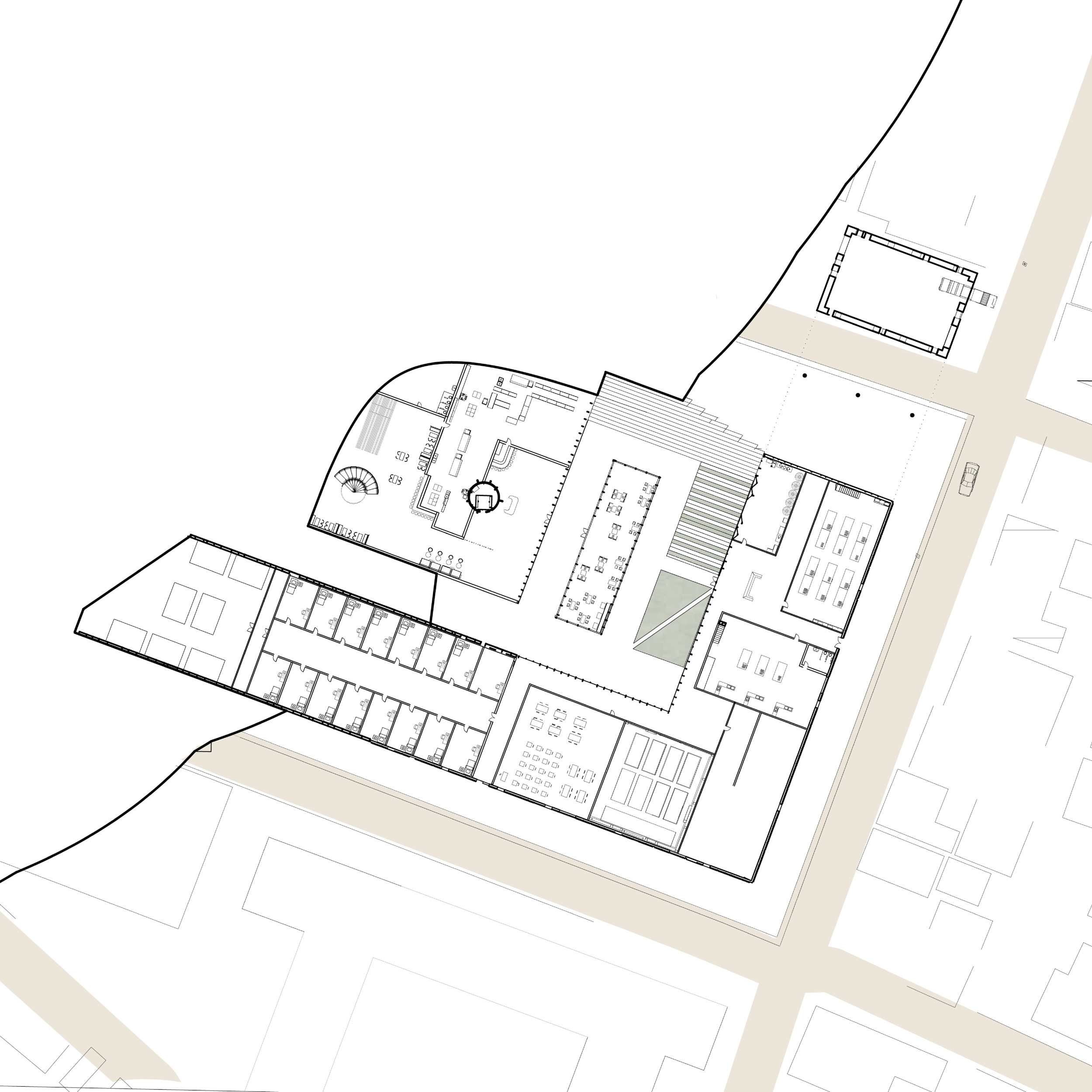
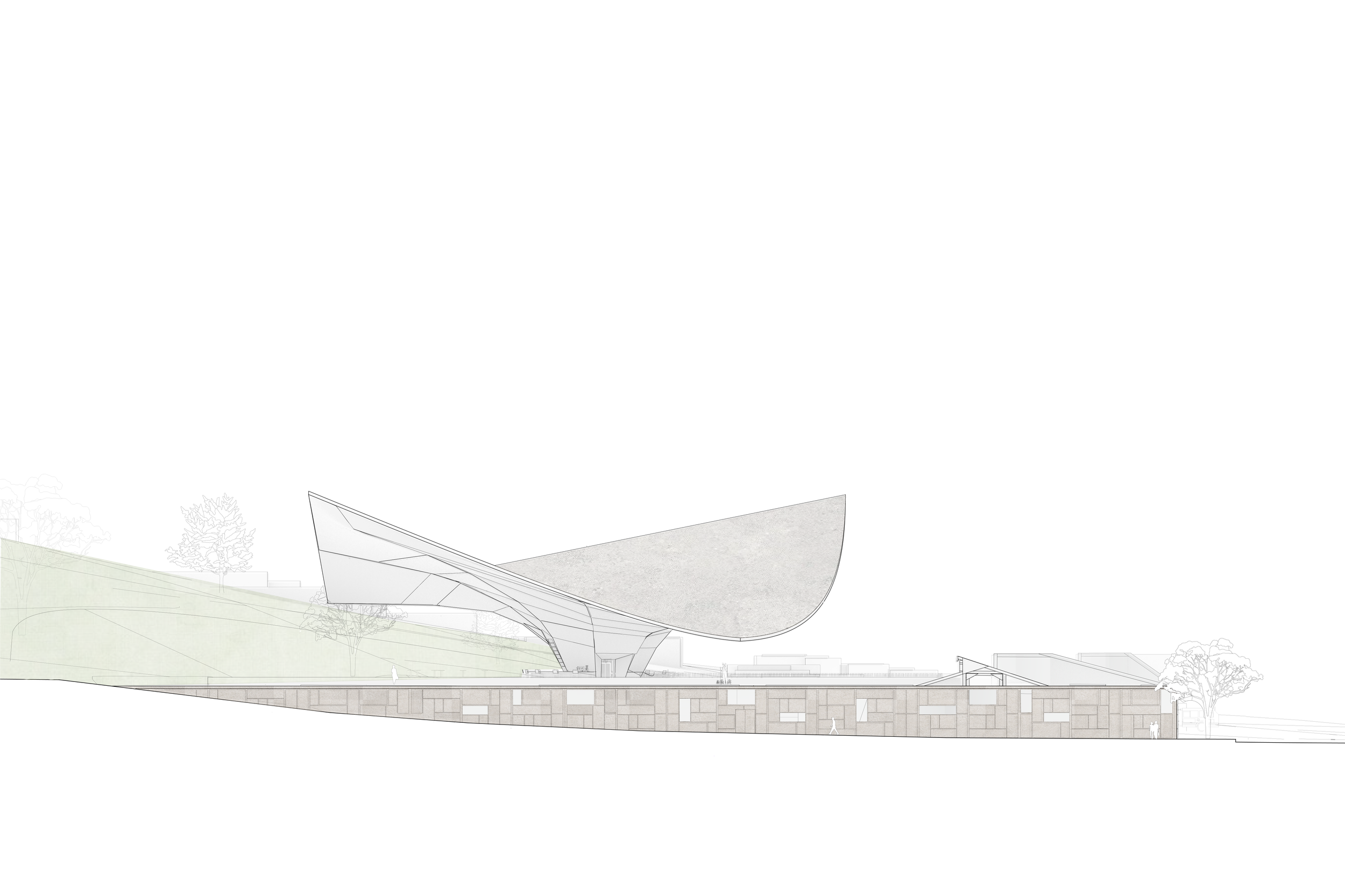
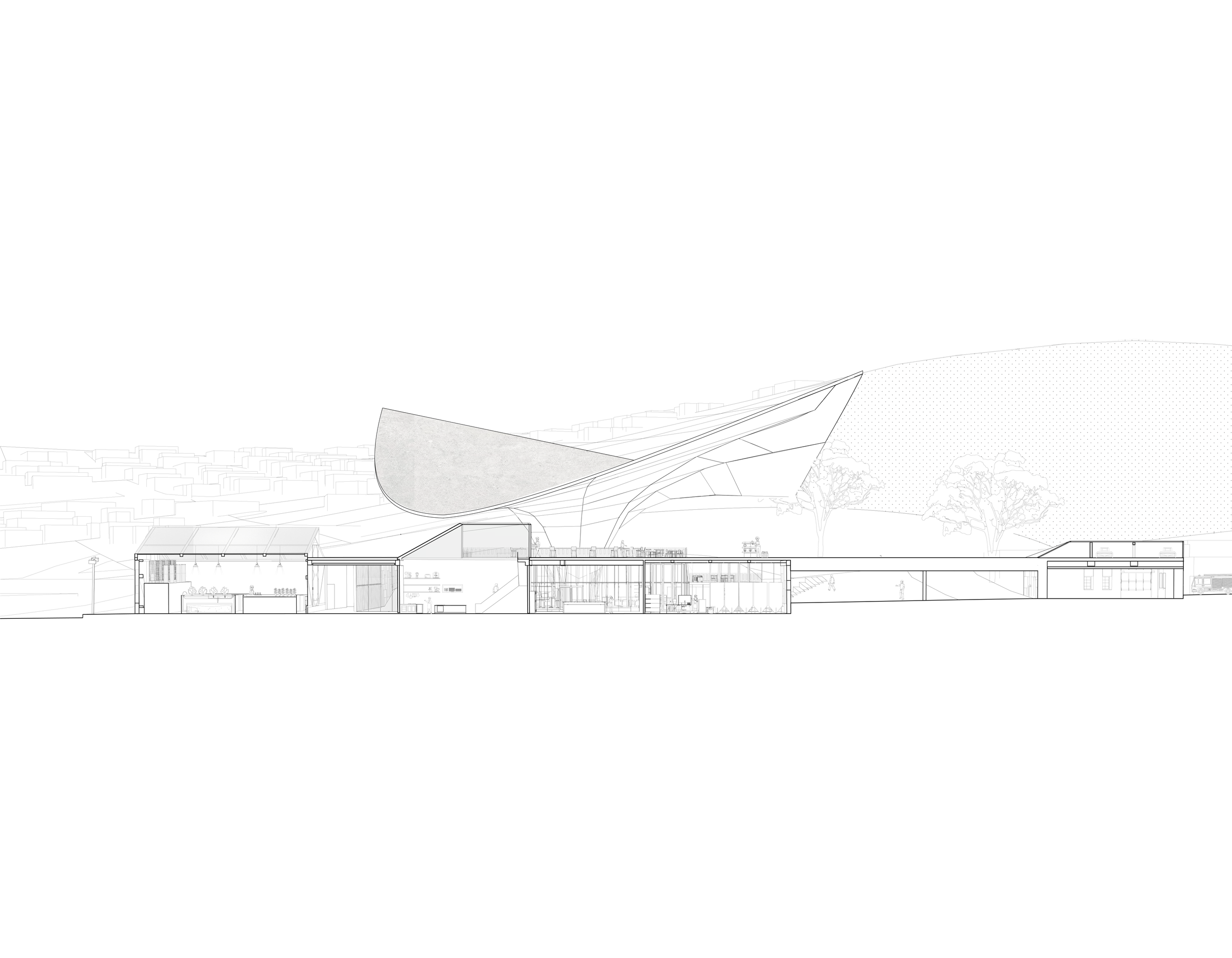
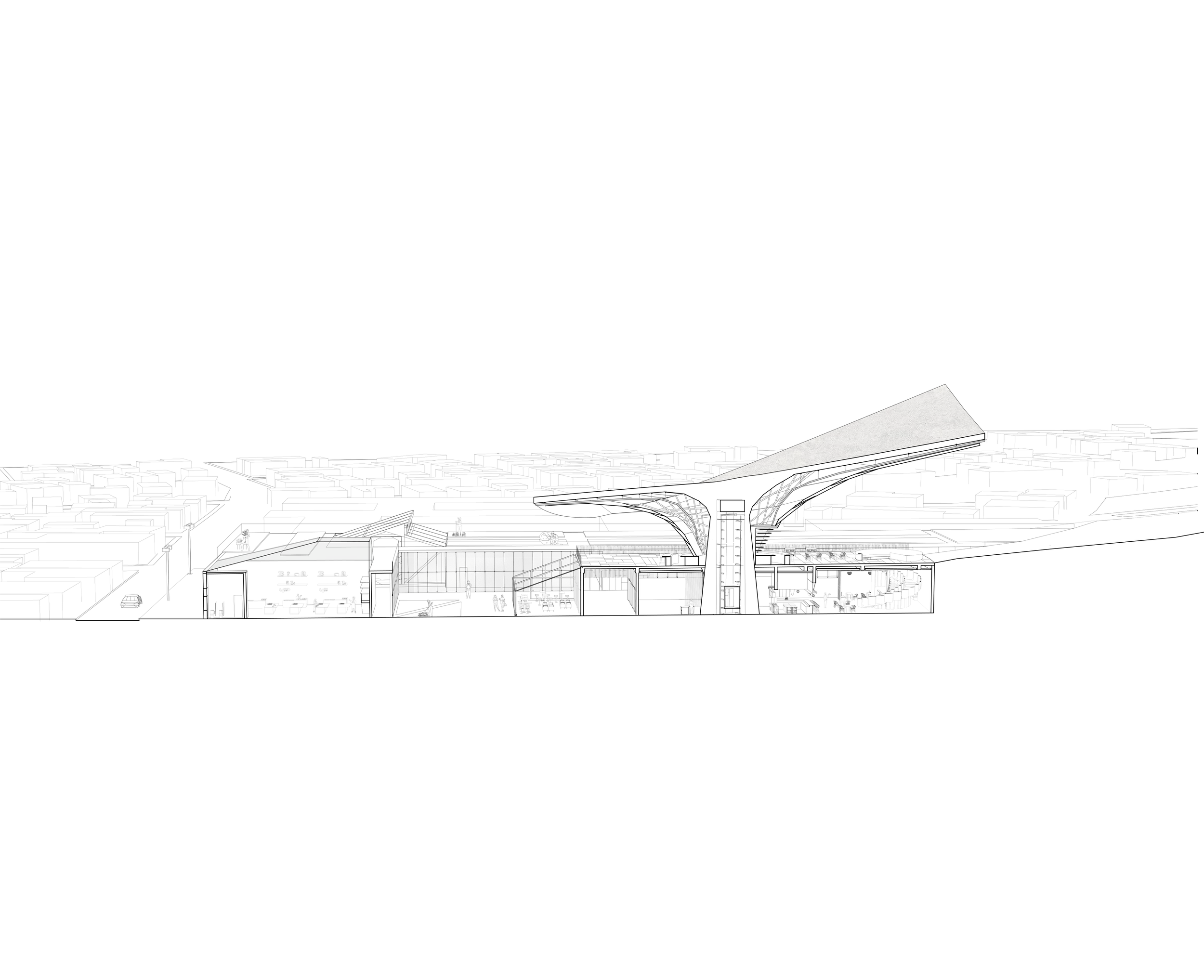
Set in post-disaster Wajima, the culinary school and restaurant I designed act as both a community landmark and a fire-resilient landscape. Before developing the architecture, I began with comprehensive urban analysis and planning, studying Wajima as a whole to understand its vulnerabilities, cultural networks, and spatial rhythms. Blending agricultural learning with innovative structural design, the project features a hyperbolic paraboloid roof that doubles as a water-based fire suppression system. At the same time, student-grown gardens serve as productive green firebreaks. Architecture here becomes both civic infrastructure and cultural ritual in the hope of reviving Wajima through food, form, and resilience.
Project Blurb
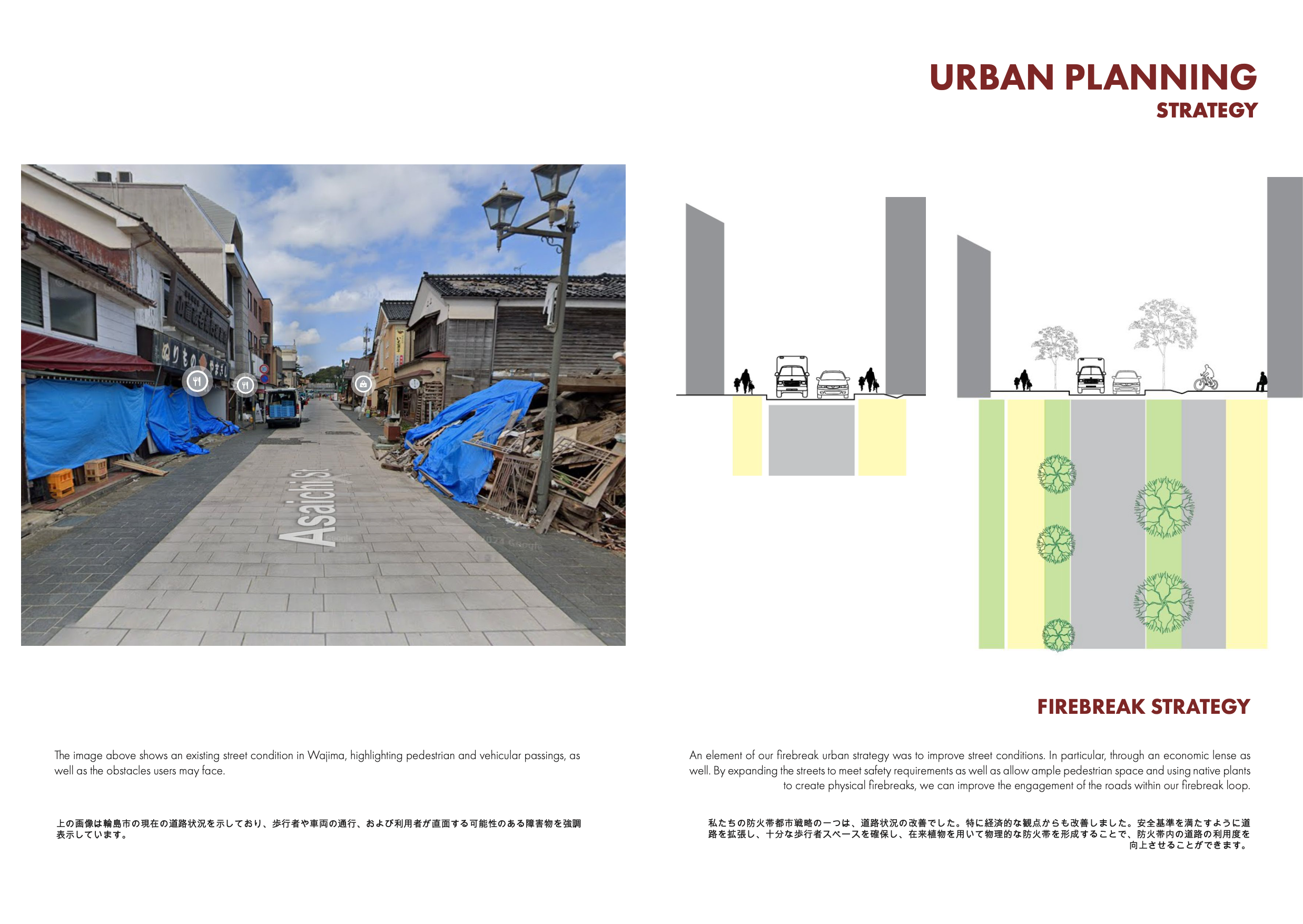
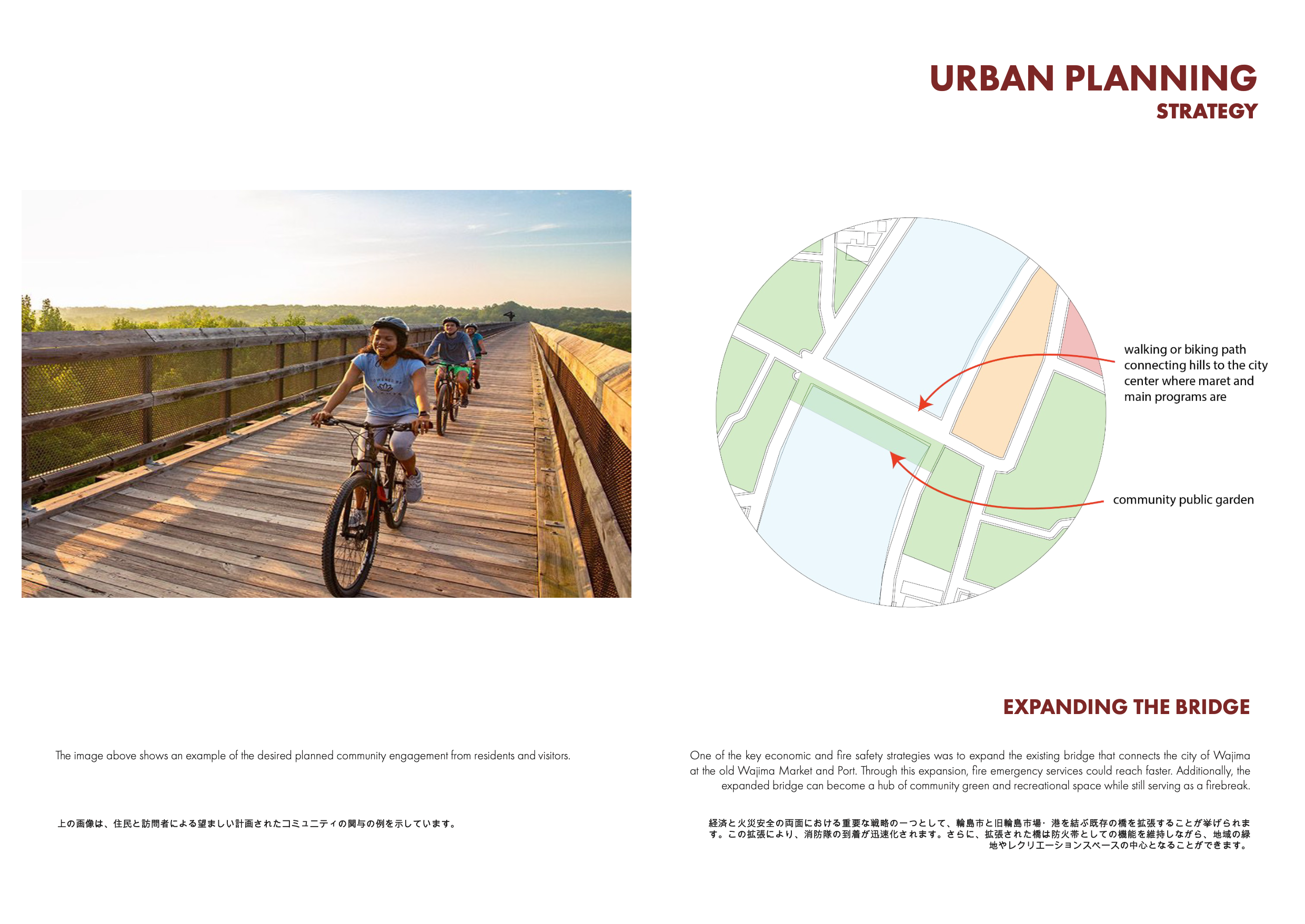
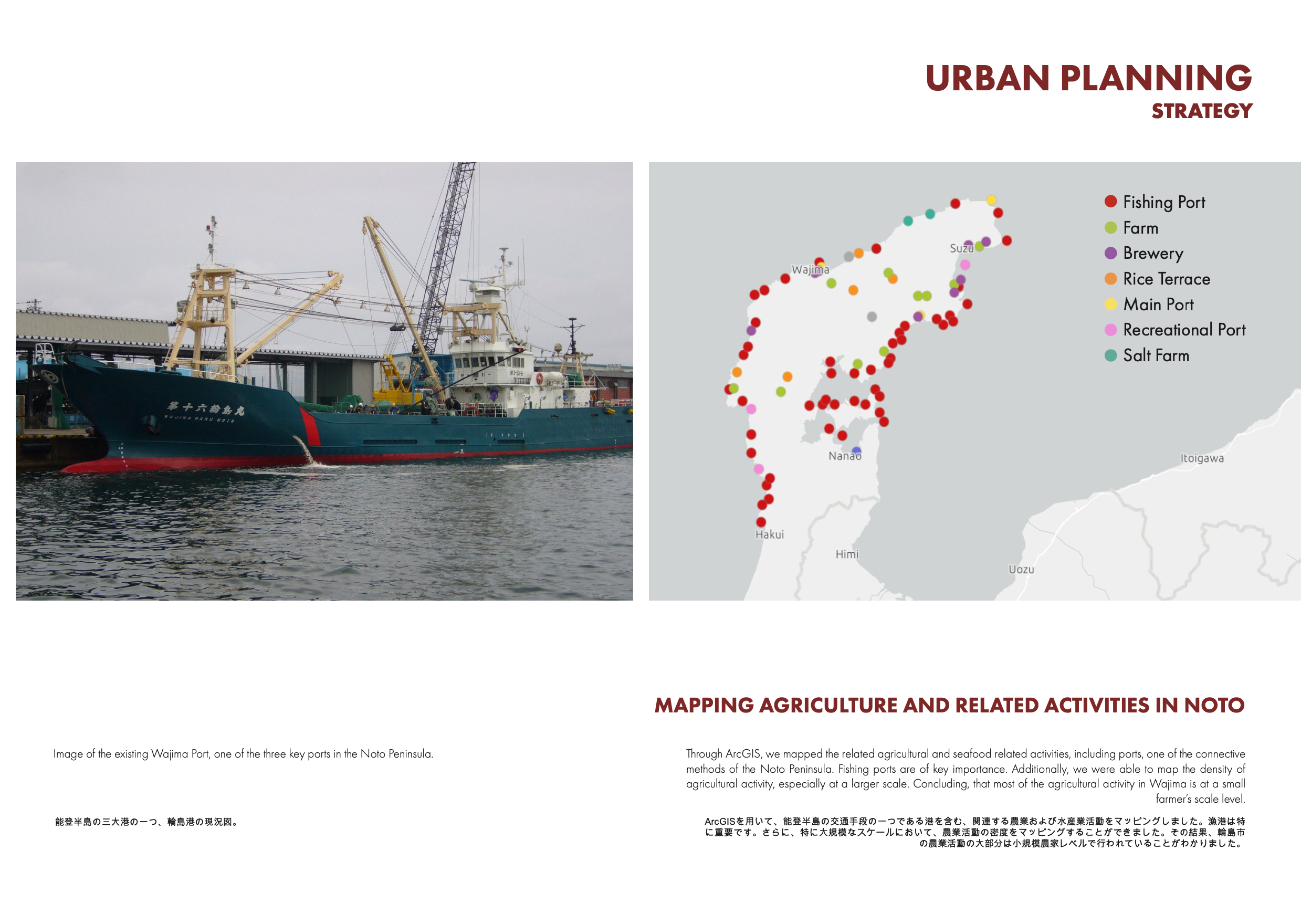
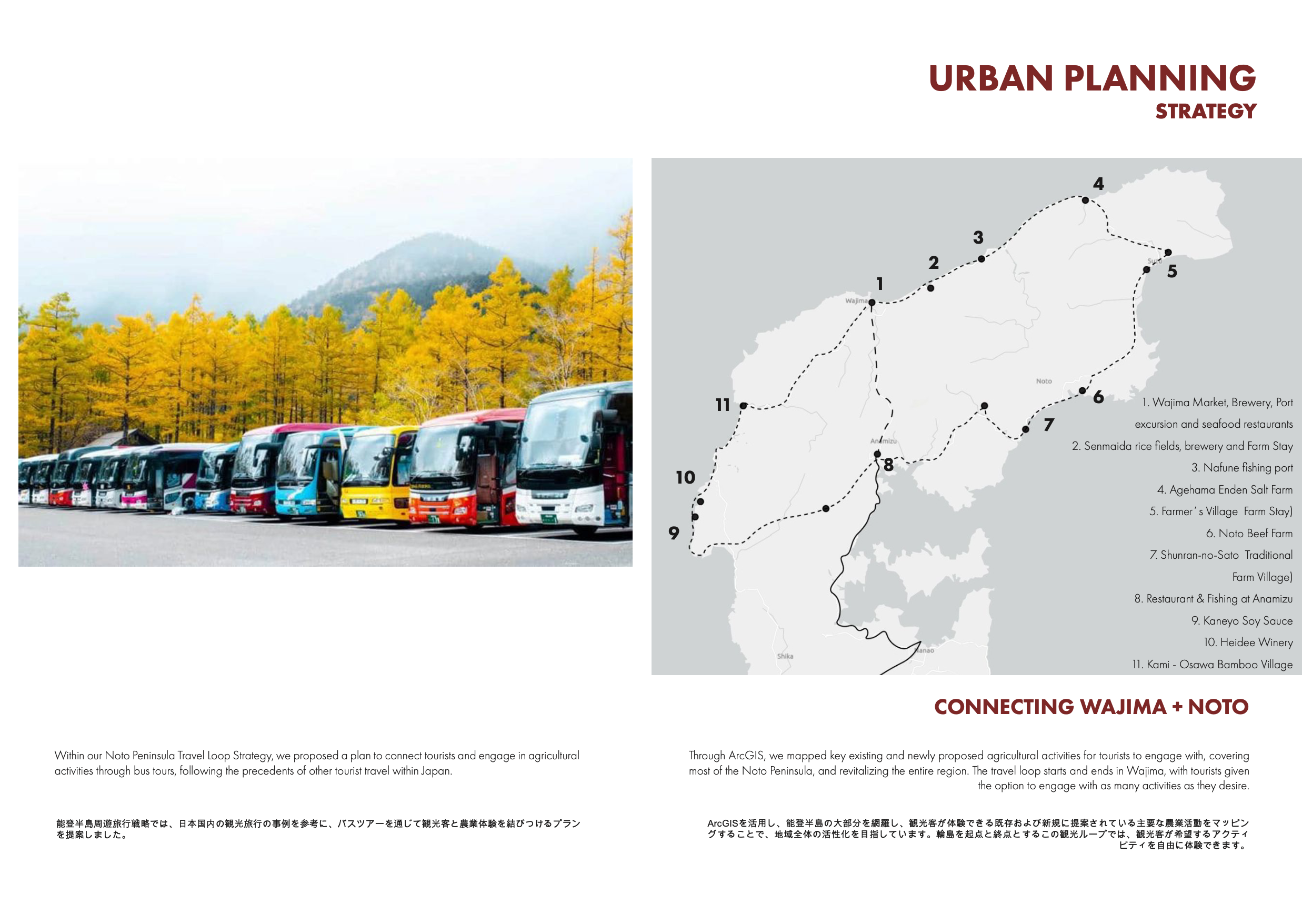
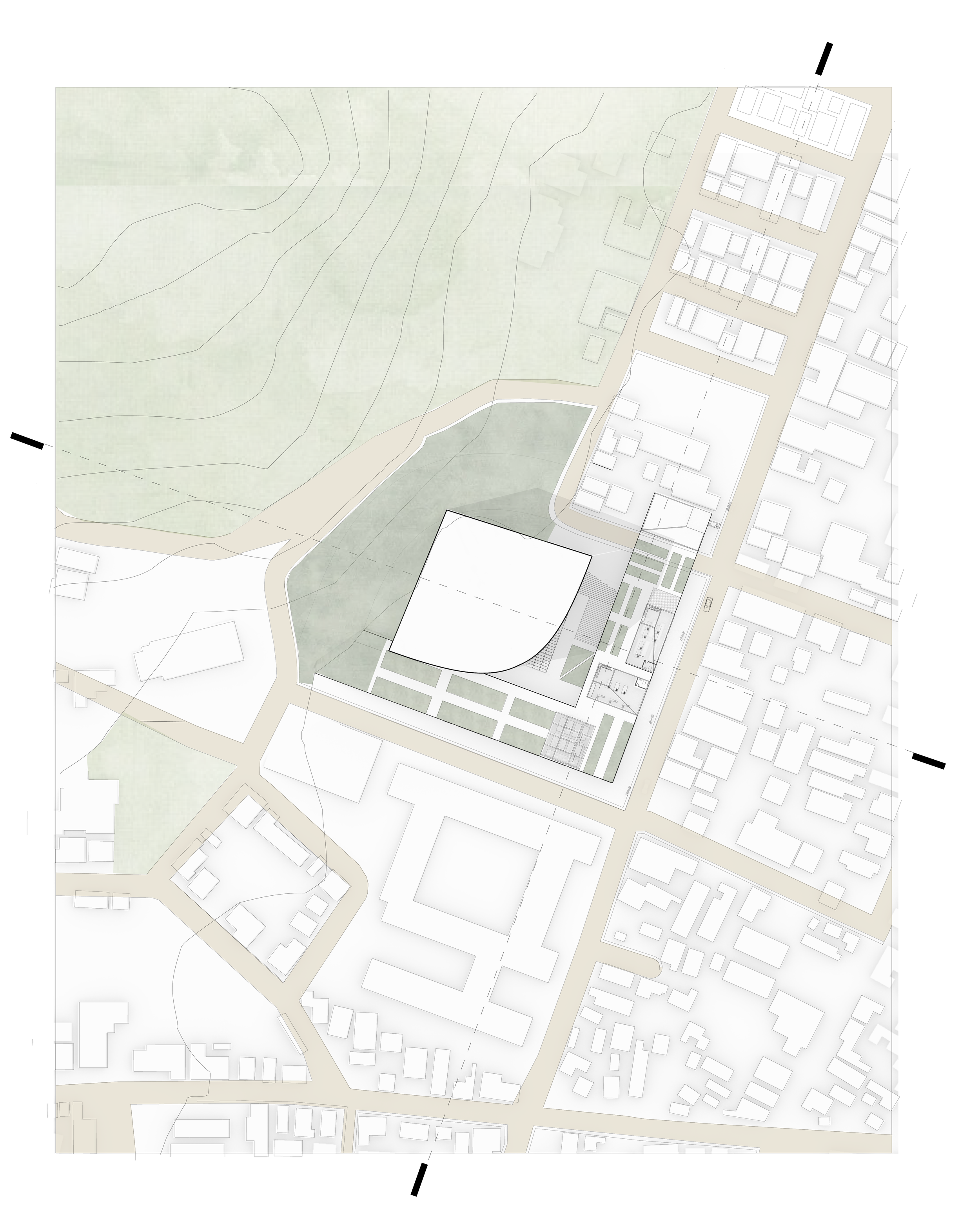
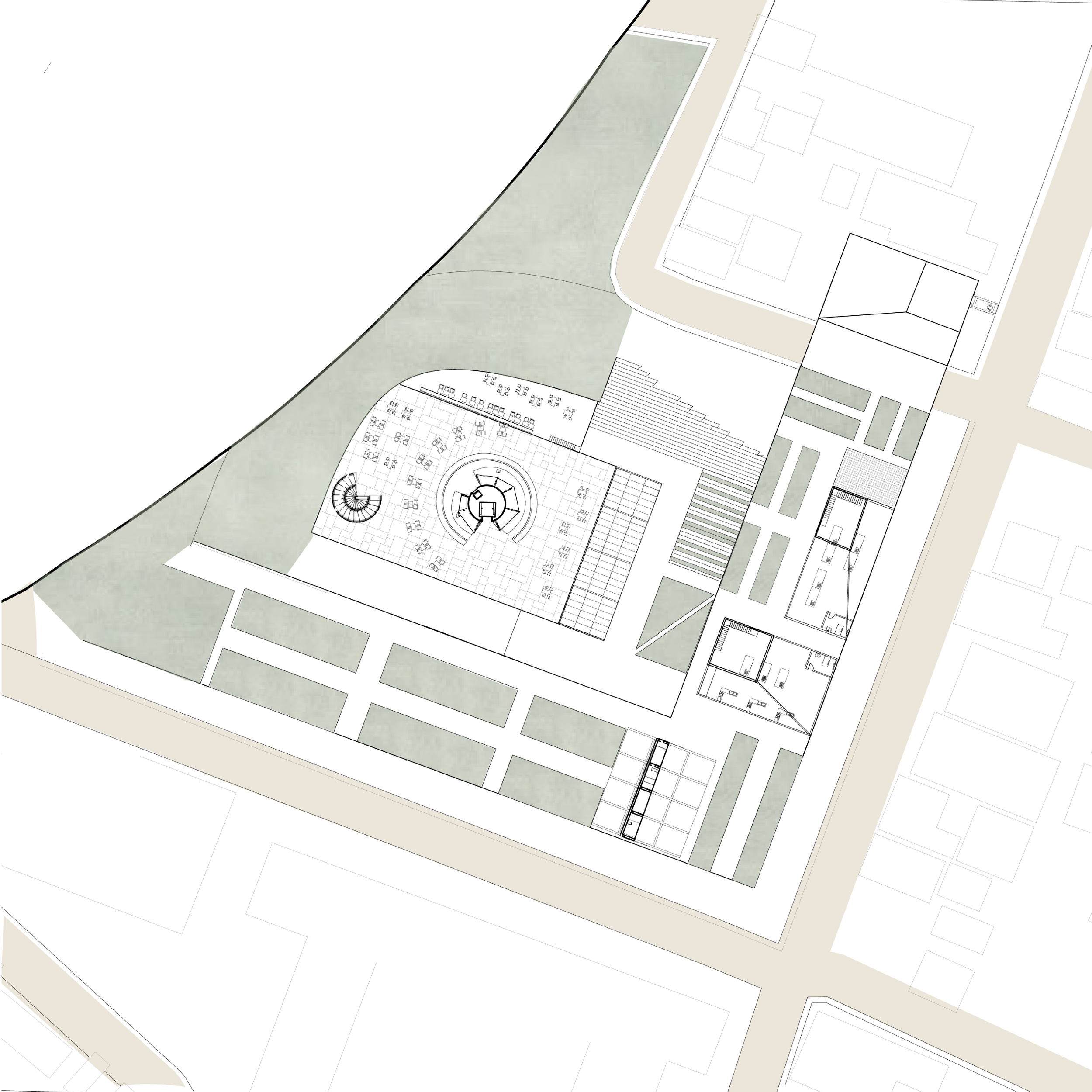
The design of the Wajima Culinary Landmark emerges directly from a detailed urban analysis of Wajima and its surrounding networks. By mapping fire-prone zones, identifying economic voids, and tracing the cultural heartbeat of the city, the project strategically inserts itself not just as a school and restaurant, but as a civic catalyst. Positioned along a critical edge of the urban firebreak grid we created, the proposal bridges the natural topography with the built environment, using food systems, spatial programming, and structural innovation to serve both locals and visitors.
Conceived as both a public destination and a site of regeneration, the project leverages its architectural form and hyperbolic parabolic roof as a beacon for tourism, an icon of resilience, and a tool for fire suppression. Agricultural production on-site supports education and local food cycles, while also acting as a green buffer to mitigate fire risk. The design’s duality defines its role in reimagining Wajima’s recovery and long-term vitality.
![Arial [Converted].png](https://images.squarespace-cdn.com/content/v1/65b59e2ebf2e7e0c165bf4b4/ba9c1168-963e-4ed5-9586-1d0dc3ddbb89/Arial+%5BConverted%5D.png)
Renderings